
Most experts we talk to are doing the work twice. Once to teach, and again to follow up, remind, check in, and chase.
Meanwhile the people who already raised their hand are sitting there. Someone joined your list and heard nothing. Someone reached the checkout and got pulled away by a phone call. Someone bought your course and never opened it.
If "automation" sounds cold to you, you're not alone. One expert teaching astrology, at the $10K milestone, worried that marketing would pull them away from the people they teach. Then they started tagging each new signup with a little information about them, and writing to people based on it. Their words: automation made them realize they "could stay deeper in communication with people."
The opposite of what they feared.
None of this needs a specialist. It needs five automations, set up once, running while you do the thing you're actually good at.
Here they are.
1. The welcome sequence
Someone just raised their hand. This is the moment they are paying the most attention they will ever pay you.
A welcome sequence is three emails that tell them who you are and what you actually do. Not a bio. A point of view.
- Email 1: Who you are and why you do this work. Deliver whatever you promised them (the guide, the lesson, the link).
- Email 2: Your best idea. The thing you'd tell a stranger at a dinner table if they asked what you know.
- Email 3: What to do next. A call, a course, a community, or just a reply.
Welcome emails tend to be the most opened emails you'll ever send. Skip this and your first message to a new subscriber is a sales pitch from a stranger.
Here's what it looks like when it works. A landscape photography expert at the $100K milestone had someone come in through a free guide and a couple of email sequences. By the time they got on a call, the emails had done the prep. The buyer said yes right away, and that sale became a higher-priced offer.
2. Abandoned checkout
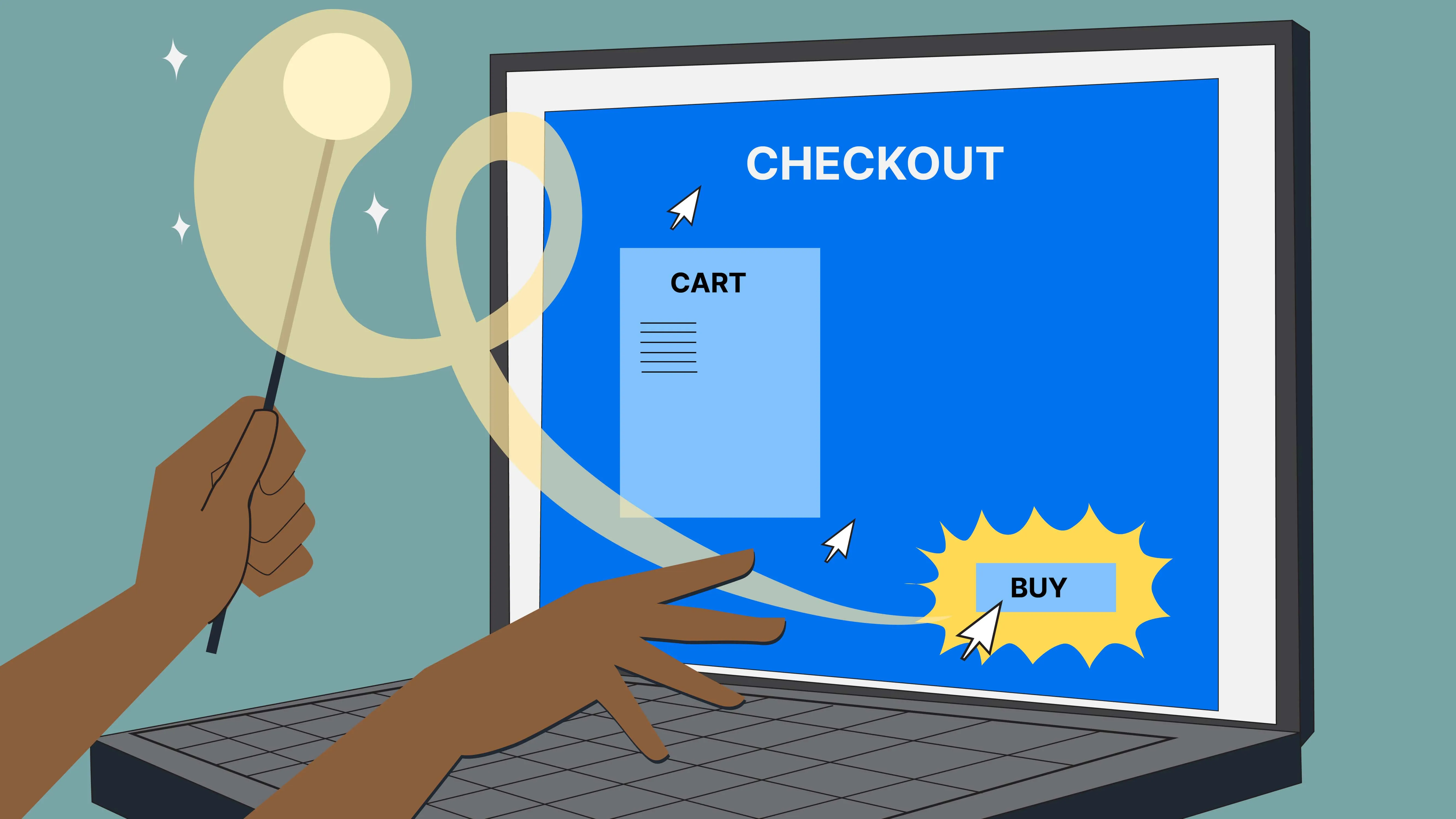
They got to the payment page and stopped. Maybe the price made them pause. Maybe the kids walked in. Most of the time it was nothing to do with you.
One reminder email, sent within a day, recovers sales you already earned. Keep it plain: what they were about to get, a link straight back to checkout, and an easy way to ask you a question.
Industry numbers on recovery vary a lot by source (most come from email platforms, so treat them as ballpark), but the direction is consistent. A reminder beats no reminder, and it costs you nothing after setup.
3. Post-purchase onboarding
The gap between buying and starting is where refunds come from.
Think about what happens in the hours after someone pays. They feel good, then a little unsure, then busy. If the first thing they hear from you is silence, that unsureness wins.
One expert in personal growth, at the $10K milestone, had shelved their course for a while because the technical side felt too hard. What got them to pick it back up was the onboarding: emails arriving almost every day "keeping me encouraged." They felt supported before they'd done anything. That's the feeling you want your buyers to have in week one.
Close the gap with a first-week sequence:
- Day 0: Confirm they're in, and give them one small first step. Not the whole course. One lesson.
- Day 2: Check in. Point to the part people usually love most.
- Day 5: Ask how it's going, and invite a reply.
Even one course-business example makes the point. One well-known course founder reportedly saw around 17 percent of students ask for refunds after signing up, and responded with emails timed to each stage of the course. Take that as a story, not a promise, since the results weren't published. But the logic holds: people who start, stay.
4. Re-engagement
Someone who hasn't opened anything in 60 days isn't gone. They're quiet.
Life got busy, your emails landed in the wrong tab, or your topic stopped being urgent. A re-engagement automation notices the silence and gives them a reason to come back: a short note, your best recent piece of teaching, or a plain question like "still want these?"
Don't treat quiet as a verdict. In one widely cited study of win-back emails, many people who ignored the message still engaged with later email from the same sender, on average about two months afterward. (That study is from 2014, so inbox behavior has changed, but the lesson is useful.) And it keeps your list healthy. People who answer stay. People who don't can leave gracefully.
5. Win-back
Former members already trusted you once. They bought, or joined, or subscribed. Then they left.
Maybe they left for a reason that no longer exists. A price that felt too high. A season of life that has passed. A feature you didn't have yet. A win-back automation reaches out after they've gone and gives them a reason to look again.
Be honest and specific. Tell them what's changed since they left. Make coming back one click. And don't guilt anyone. If it's a no, it's a no.
You can build all five today
None of these needs a specialist. They need an afternoon and a system where your email, your offers, and your customers live in the same place.
That's how it works for the experts we talk to. A student-pilot instructor at the $10K milestone built it as one chain: digital products, a landing page, and email automations behind it, all inside Kajabi. And for an expert in the disability sector just crossing $1K, automations did something simpler. They gave back the hours needed to study.
Here's a simple order to build them in:
- Welcome sequence: write three emails, turn it on.
- Abandoned checkout: write one reminder, turn it on.
- Post-purchase onboarding: write the first-week sequence, turn it on.
- Re-engagement: one short email to anyone quiet for 60 days.
- Win-back: one email to former members, once you're comfortable.
Start with the first one. Then the second. By the end of the week, you have five things working for you that weren't there on Monday.
You bring the expertise. The automations make sure the people who want it actually get it.